


A guide to practice sanitization during the seasonal peak (in 5 easy steps)
The January return is always a mix of good intentions and packed schedules, but this year the restart coincides with a significant clinical challenge. Epidemiological data for the 2025-2026 season is clear: the flu started early and with above-average virulence. With the Subclade K of the A/H3N2 influenza dominating and the endemic circulation of the Stratus Covid variant, the ISS predicted the peak in the first weeks of January. With 773,000 new cases in the week of January 5-11, 2026, we are right in the thick of it. For us dental professionals, this means one thing: aerosol management becomes the foundation of practice safety.

Aerosol in january: why old protocols are no longer enough
This winter’s “storm” of respiratory viruses requires a change of pace. Sanitizing surfaces between patients is the bare minimum protection you can provide; however, it would be far more effective to prevent the virus from remaining suspended in the air and spreading.
During common procedures like using ultrasonic scalers or turbines, aerosol particles can travel up to 6 meters and remain viable for hours.
In this 2026 seasonal peak, visible safety is an indispensable “detail”: patients are informed and alerted by the media. Every move you make is laser-scanned by their eyes. Demonstrating total control at the source is indeed effective clinical protection, but it also becomes “trust marketing”.
We’ve prepared a guide with 5 operational steps to optimize sanitization, reduce cross-contamination risk, and keep your patients at ease.
Step 1: High-flow suction at the source.

To reduce the environmental microbial load, it is essential to prevent it from leaving the oral cavity. But do you know how much power is actually needed to aspirate properly?
Current technological standards indicate a critical threshold of $300. Suction systems that guarantee this flow rate allow for the capture of over 95% of the spray before it becomes a risk to the operator and the environment.
Verifying the efficiency of your suction system and using high-capacity cannulas is your first, fundamental shield.
Step 2: Ergonomic optimization (vision + suction)
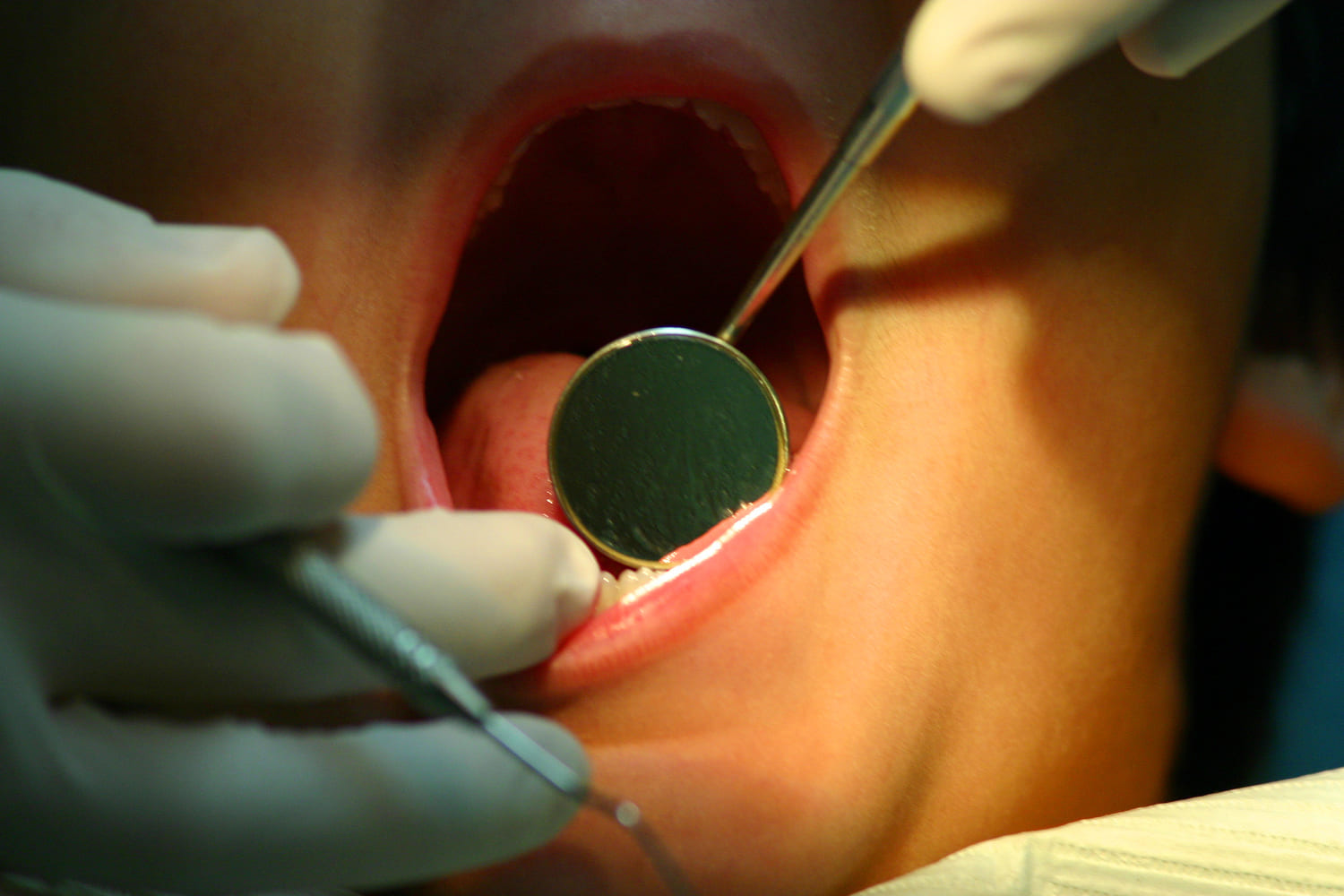
Interrupting a procedure because the mirror is fogged or splattered is frustrating and a waste of time: every interruption also increases aerosol exposure.
The solution? Multi-functional devices that combine, for example, the mirror directly with the suction cannula. In these cases, innovation changes the game and improves the professional’s life.
Such a device allows for constant indirect vision and simultaneous fluid removal, eliminating unnecessary movements. Less neck strain, less time for the virus to circulate—two huge wins in one tool.
Step 3: Active protection of soft tissues and selective flow

Powerful suction is useless if it causes patient discomfort or accidentally “sucks in” the mucosa or tongue. There are tools that allow the operator to select the suction side, excluding the part in contact with soft tissues.
This not only ensures superior patient comfort but also ensures that the suction flow is always concentrated where it’s truly needed: the operative site where contaminated aerosol is generated.
Step 4: Coordinated extra-oral control

For high-impact procedures (such as surgery or heavy professional hygiene), intra-oral suction might not be enough. Integrating an extra-oral aspirator creates an additional physical barrier between you, the air, and contamination.
These systems act as a “second shield,” capturing micro-particles that escape the main cannula. It is the combination of these two levels—intra and extra-oral—that transforms a dental office into a true Aerosol-Free Zone!
Step 5: The rigor of disposables and precision angles
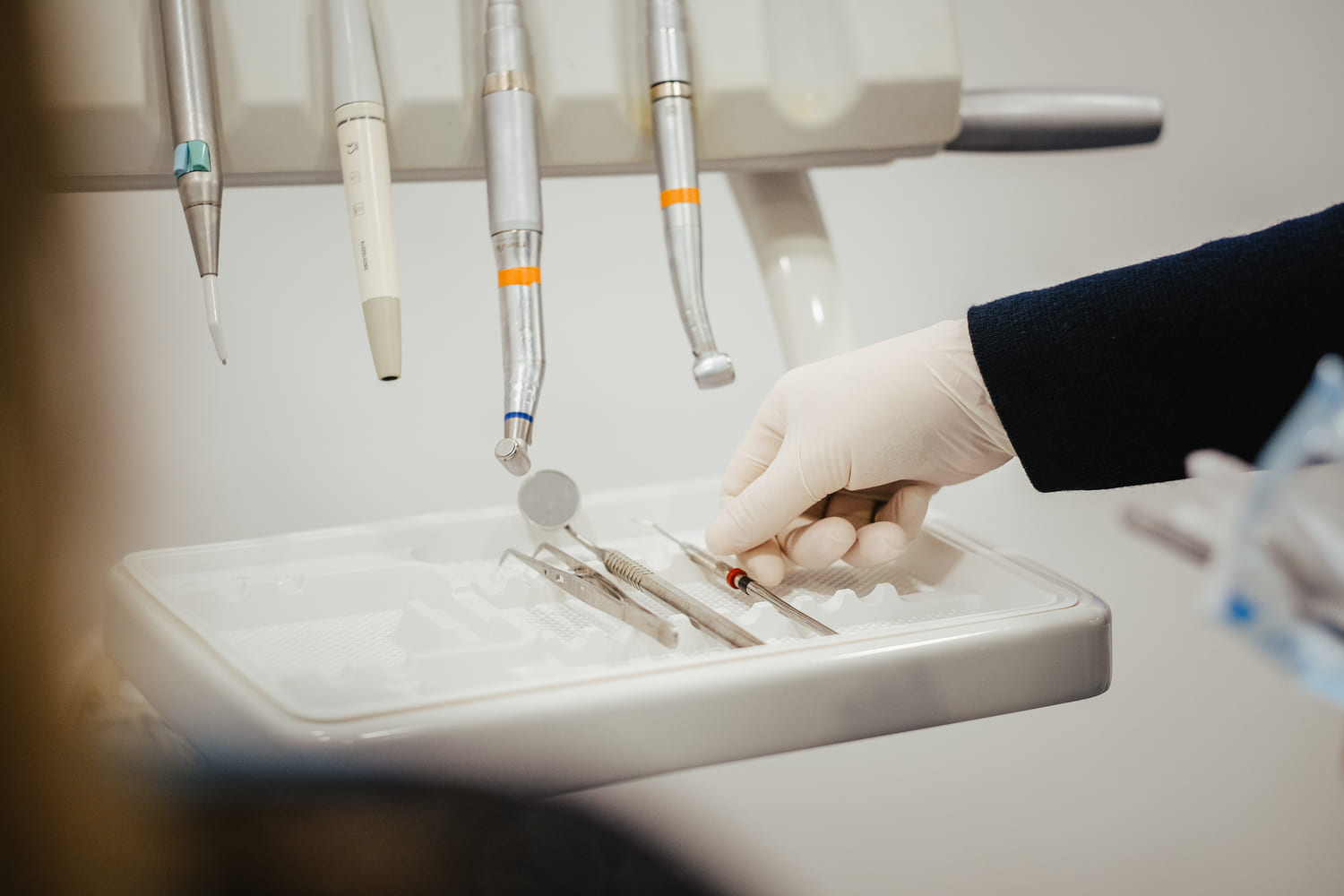
Suction effectiveness also depends on the design of the cannula. For this early 2026, the advice is to aim for innovative devices, but if you are a fan of disposables, choose high-quality ones.
High-quality single-use rigor can help eliminate residual cross-contamination risk, ensuring every patient receives the highest possible hygiene standard.
Transforming safety into an asset for your dental practice
Tackling the January flu peak can be stressful, but with the right Aerosol Management strategy at the source, you can guarantee your team a healthy work environment and your patients an unprecedented perception of safety.
Today’s technology allows us to be faster, more ergonomic, and, above all, safer. Turning these steps into a daily routine is the best way to wish yourself, your practice, and your patients a successful and healthy 2026.
Discover our must-haves for a Droplets Free studio!
-

C58
-

C53
0,00 € -

Cannula “Zero”
0,00 €
FAQ: Aerosol Management and Biosafety in the Dental Practice
In January, the circulation of viral variants (such as influenza H3N2 and Covid variants) peaks. In dental practices, aerosol-generating procedures can spread infected micro-particles up to 6 meters away. Implementing an Aerosol Management protocol at source is essential to prevent cross-contamination and ensure a healthy environment for staff and patients.
To effectively eliminate over 95% of the aerosol generated during hygiene or surgical procedures, high-flow suction exceeding 300 liters per minute is required. Advanced devices such as Larident’s Cannula Zero are specifically designed to meet these standards, capturing the aerosol directly at the source before it disperses into the environment.
The Zero Cannula solves the problem of posture and visual stress by integrating a high-reflectivity mirror directly onto the suction tip. This allows the professional to maintain a constant mirror image without interruptions for cleaning the mirror, reducing neck and back contortions and optimizing clinical time.
Aerosolvex is a modular extra-oral suction system that acts as a “second protective shield.” It is used in conjunction with intra-oral suction to capture micro-particles that may escape the main cannula. It is particularly recommended during high aerosol impact procedures to create a visible and safe “Aerosol-Free Zone.”
Selective suction, featured in innovative technologies such as Cannula Zero, allows the operator to choose which side of the cannula to activate. This avoids the annoying “suction cup” effect on the patient’s mucosa or tongue, concentrating all the suction power only on the operating site and ensuring superior comfort during treatment.
The 5 fundamental steps include:
Use of disposable cannulas with a 45° angle to optimize fluid dynamics.
Use of high-flow suction (>300 l/min).
Integration of vision and suction to reduce exposure times.
Selective management of intraoral flow.
Implementation of extraoral barriers such as Aerosolvex.